Voice, the Natural Interface for Human-AI Collaboration
Language is one of humanity’s most extraordinary abilities. It has shaped how we collaborate, innovate, and build civilizations—first through speech, later through writing, and now, increasingly, through machines that can understand us.
In the evolution of human-computer interaction, we’ve moved from binary code to typed commands, to graphical interfaces—and now, to conversation. With advances in Natural Language Processing and generative AI, machines no longer just process language. They interpret tone, overcome accents, and respond in ways that feel human. Voice is becoming the interface of the future—not because it’s novel, but because it’s natural.
This shift is more than a technical upgrade. It democratizes access. It eliminates the need to learn code or navigate complex menus. It returns us to what’s always been most intuitive: speaking.
Recent experiences have made this deeply personal for me. On my podcast Conversations with Zena, I speak regularly with an AI persona about ethics, society, and the future of collaboration. Zena’s ability to hold a coherent, engaging dialogue is a testament to how far voice AI has come. Similarly, when Amazon released a feature to convert KDP books into audiobooks using synthetic voice, I used it to transform Soulful: You in the Future of Artificial Intelligence into an audio experience. The tonal precision, pacing, and emotional cadence of the AI narrator genuinely surprised me.
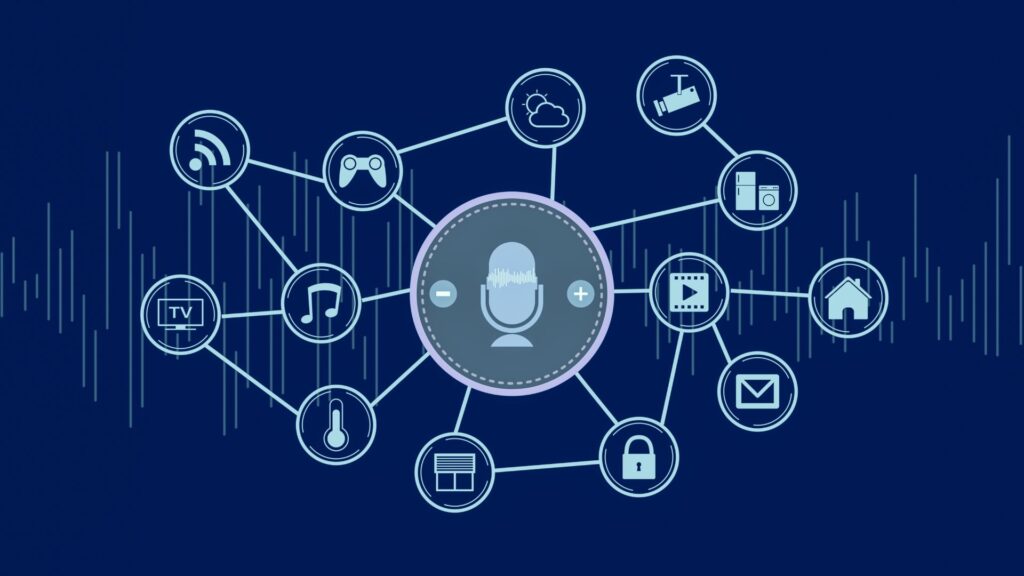
Voice is no longer a novelty. It’s becoming infrastructure. From cars to commerce to customer service, we’ll soon interact with intelligent agents in our homes, offices, and public spaces simply by speaking.
One of the companies advancing this vision is SoundHound AI. Their recent launch of Amelia 7.0—a voice-first AI agent that can listen, reason, and act—signals a new phase of human-AI interaction. I’ve been tracking their work with great interest and enthusiasm, not only as an advocate of ethical AI but as someone who believes deeply in the transformative potential of voice.
Of course, with great capability comes great responsibility. As voice agents become more autonomous—capable of conducting transactions, negotiating terms, or executing tasks—we must invest just as deeply in governance as we do in growth. Trust doesn’t come from technology alone; it comes from transparent processes, ethical foresight, and human-aligned design.
We’re still in the early days. But the direction is clear—and so is the responsibility. Voice AI has the power to make our digital experiences more human. But only if we build it with intention, integrity, and a commitment to human flourishing.